

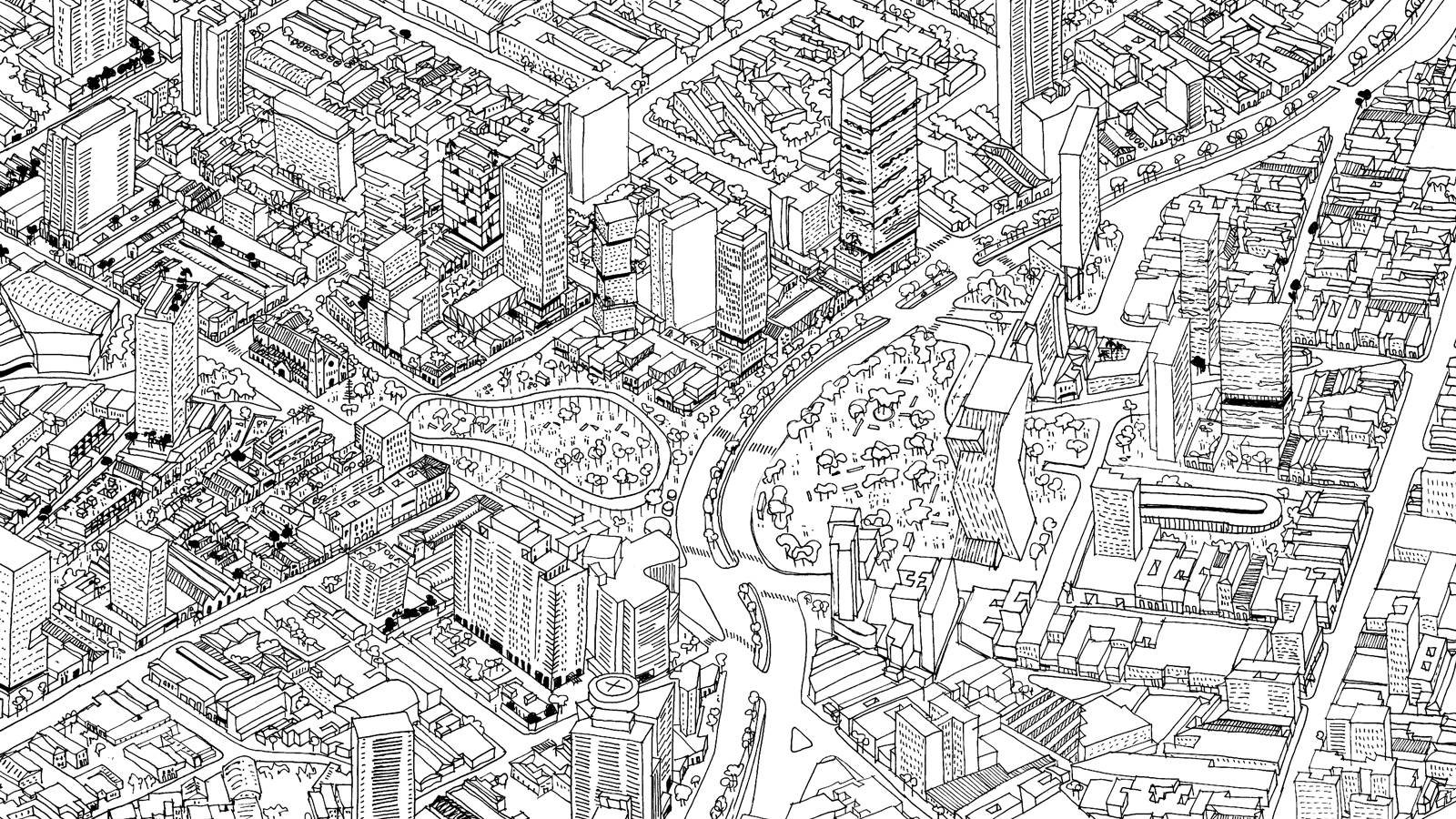
Drawings are a democratic and powerful way to express ideas. They transcend language barriers and visually communicate our thoughts and concepts in an accessible manner to everyone. In SPOL, regardless of the scale of the project, from urban planning to small architectural details, drawing plays a fundamental role in the communication and understanding of projects.
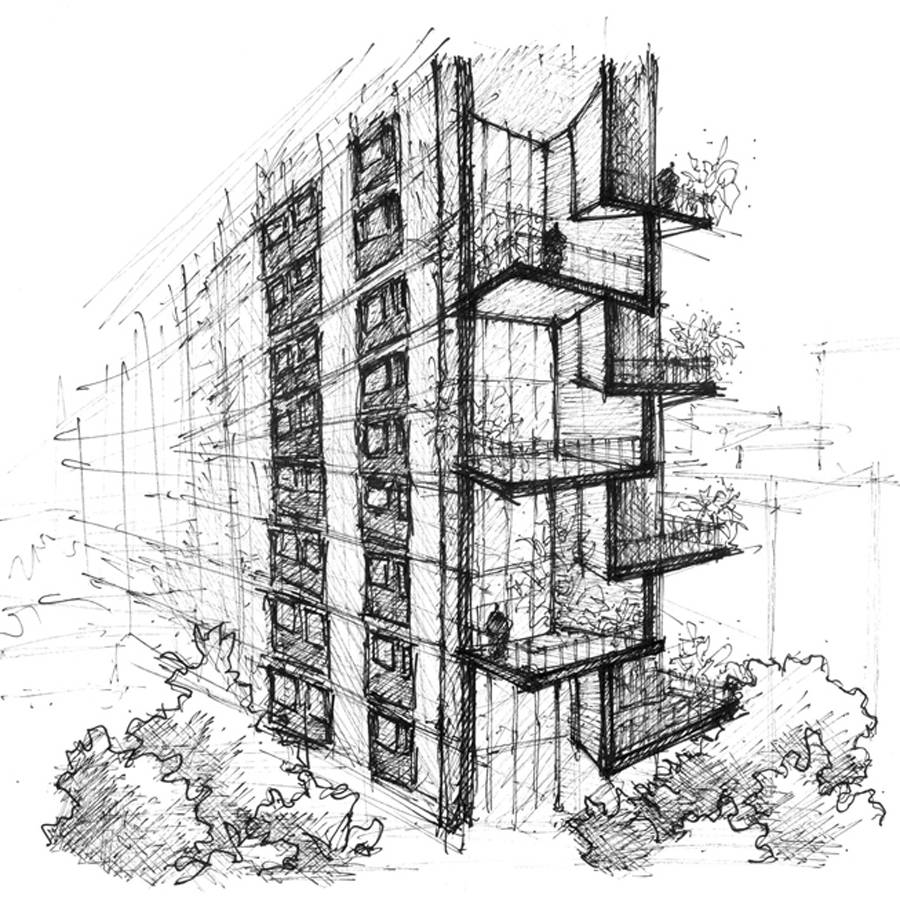
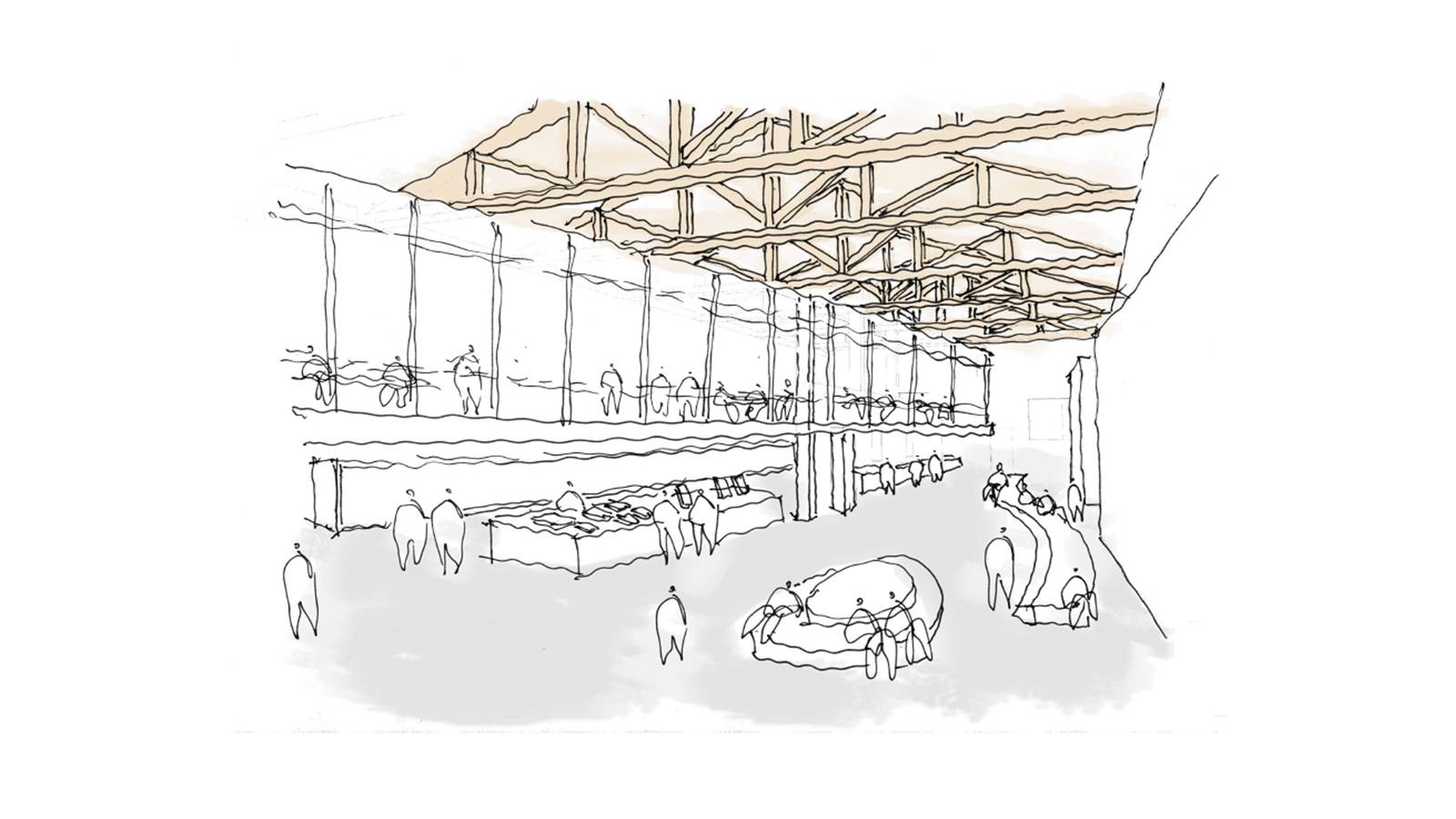
Freehand drawings are often the starting point for executing our ideas. Our leaders and creative directors express our concepts through sketches, exploring different solutions and capturing the essence of what we wish to create. These initial drawings are invaluable as they give shape to our imaginations. From these initial sketches, tools like ArchiCAD are utilized to make the project viable, studying volumetric solutions, as well as ventilation and solar studies.
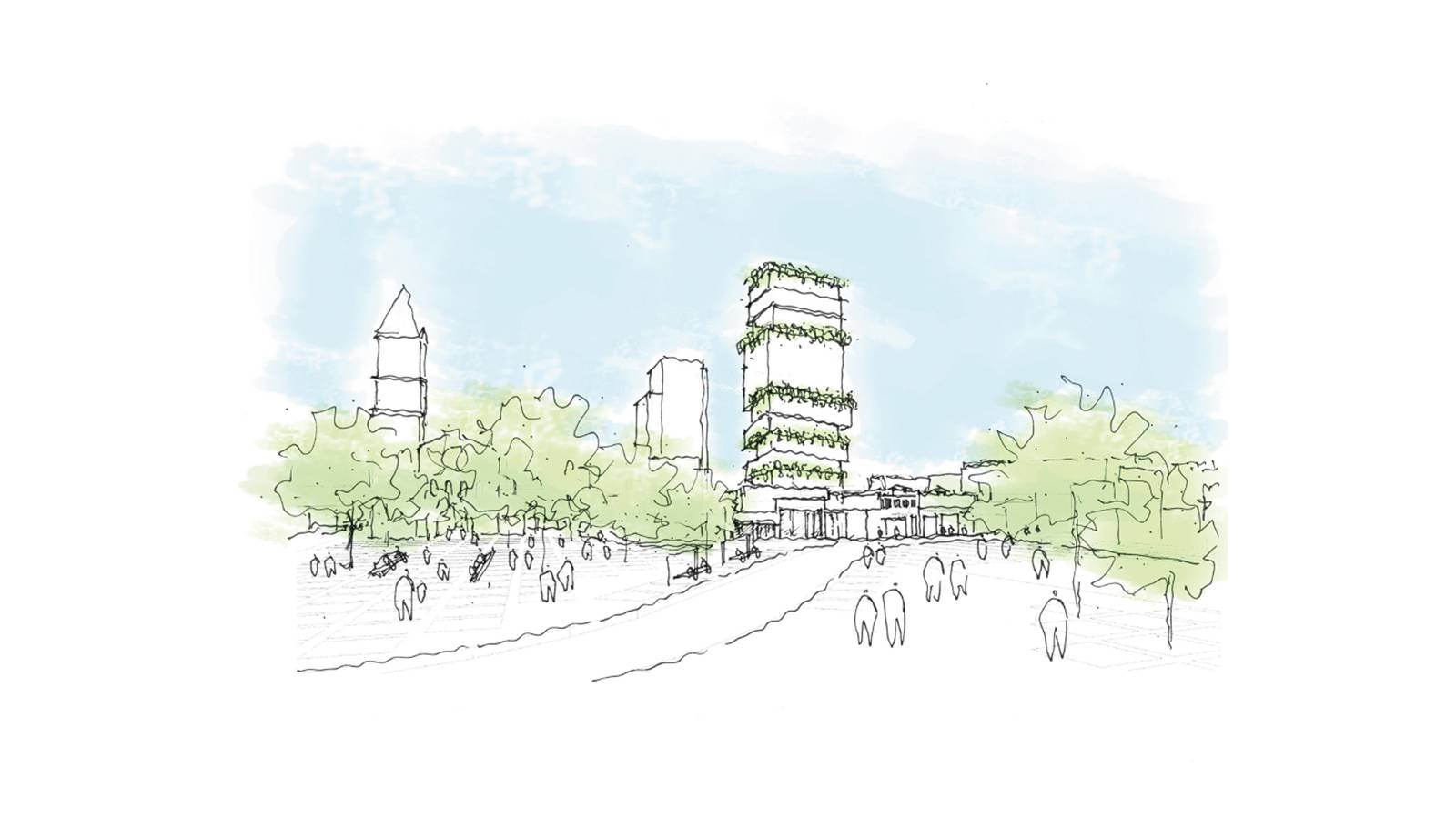
Another essential aspect in this conceptual stage is the creation of physical models. They play an important role in the process. Models provide a tangible spatial understanding of the project, both for team members and clients. They help identify potential design issues, test different solutions, and enhance the aesthetic and functional aspects of the building.
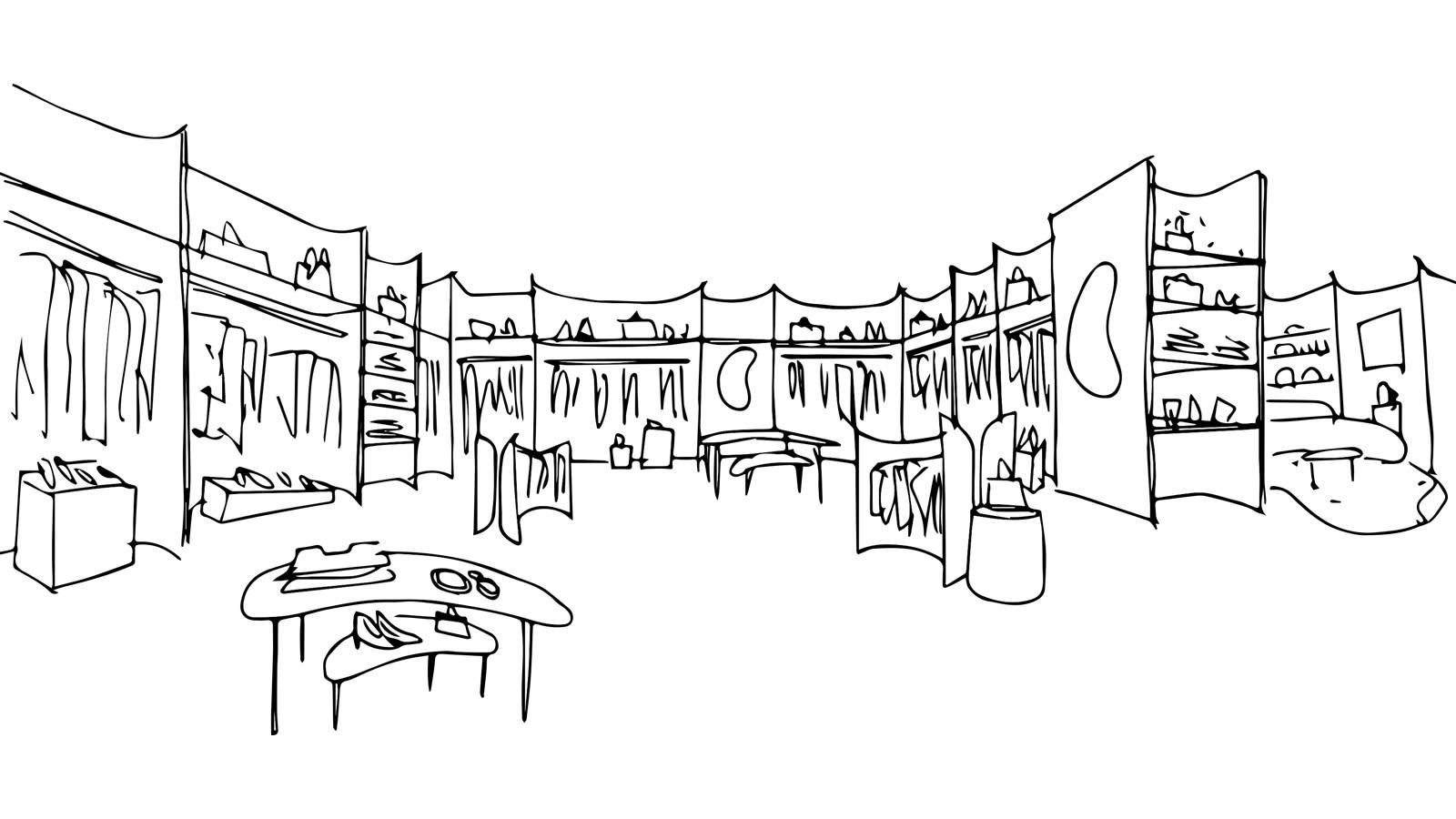
Therefore, throughout the development process, from the initial drawings to the creation of models and digital modeling, the essence of the building is preserved, and the design is refined. Each stage contributes to the evolution of the project, enabling the realization of dreams and the transformation of ideas into reality. Whether through manual expression or the use of technology, drawing remains the universal language that connects us and makes the materialization of our architectural visions possible.
21 jul
Drawings
Drawings are a democratic and powerful way to express ideas. They transcend language barriers and visually communicate our thoughts and concepts in an accessible manner to everyone. In SPOL, regardless of the scale of the project, from urban planning to small architectural details, drawing plays a fundamental role in the communication and understanding of projects.
Freehand drawings are often the starting point for executing our ideas. Our leaders and creative directors express our concepts through sketches, exploring different solutions and capturing the essence of what we wish to create. These initial drawings are invaluable as they give shape to our imaginations. From these initial sketches, tools like ArchiCAD are utilized to make the project viable, studying volumetric solutions, as well as ventilation and solar studies.
Another essential aspect in this conceptual stage is the creation of physical models. They play an important role in the process. Models provide a tangible spatial understanding of the project, both for team members and clients. They help identify potential design issues, test different solutions, and enhance the aesthetic and functional aspects of the building.
Therefore, throughout the development process, from the initial drawings to the creation of models and digital modeling, the essence of the building is preserved, and the design is refined. Each stage contributes to the evolution of the project, enabling the realization of dreams and the transformation of ideas into reality. Whether through manual expression or the use of technology, drawing remains the universal language that connects us and makes the materialization of our architectural visions possible.